

Ovarian cancer
Preclinical ovarian cancer models for in vivo studies of tumor progression, peritoneal dissemination and therapeutic response.
Preclinical ovarian cancer model overview
Our ovarian cancer models provide an in vivo platform for studying tumor progression, peritoneal dissemination and therapeutic response. Longitudinal monitoring enables quantitative assessment of disease progression and treatment effects, supporting evaluation of drug efficacy and pharmacodynamic activity.
Our in vivo ovarian cancer model is established by intraperitoneal transplantation of human ovarian cancer cells, enabling tumor development and dissemination within the peritoneal cavity. This approach provides a relevant platform for studying the progression and spread of ovarian cancer in vivo.
Longitudinal monitoring enables tumor burden and peritoneal dissemination to be followed over time in the same animal, providing quantitative read-outs of disease progression and therapeutic response. The model can be used to evaluate drug candidates and treatment strategies throughout different stages of ovarian cancer progression.
Key capabilities
- Intraperitoneal ovarian cancer models
- Peritoneal dissemination monitoring
- Longitudinal tumor burden assessment
- Drug efficacy & PD read-outs
Segment models
Explore our cancer models

Pancreatic cancer
Orthotopic pancreatic cancer models support high-resolution monitoring of tumor progression, metastasis, and treatment response.
Explore model →

Breast cancer
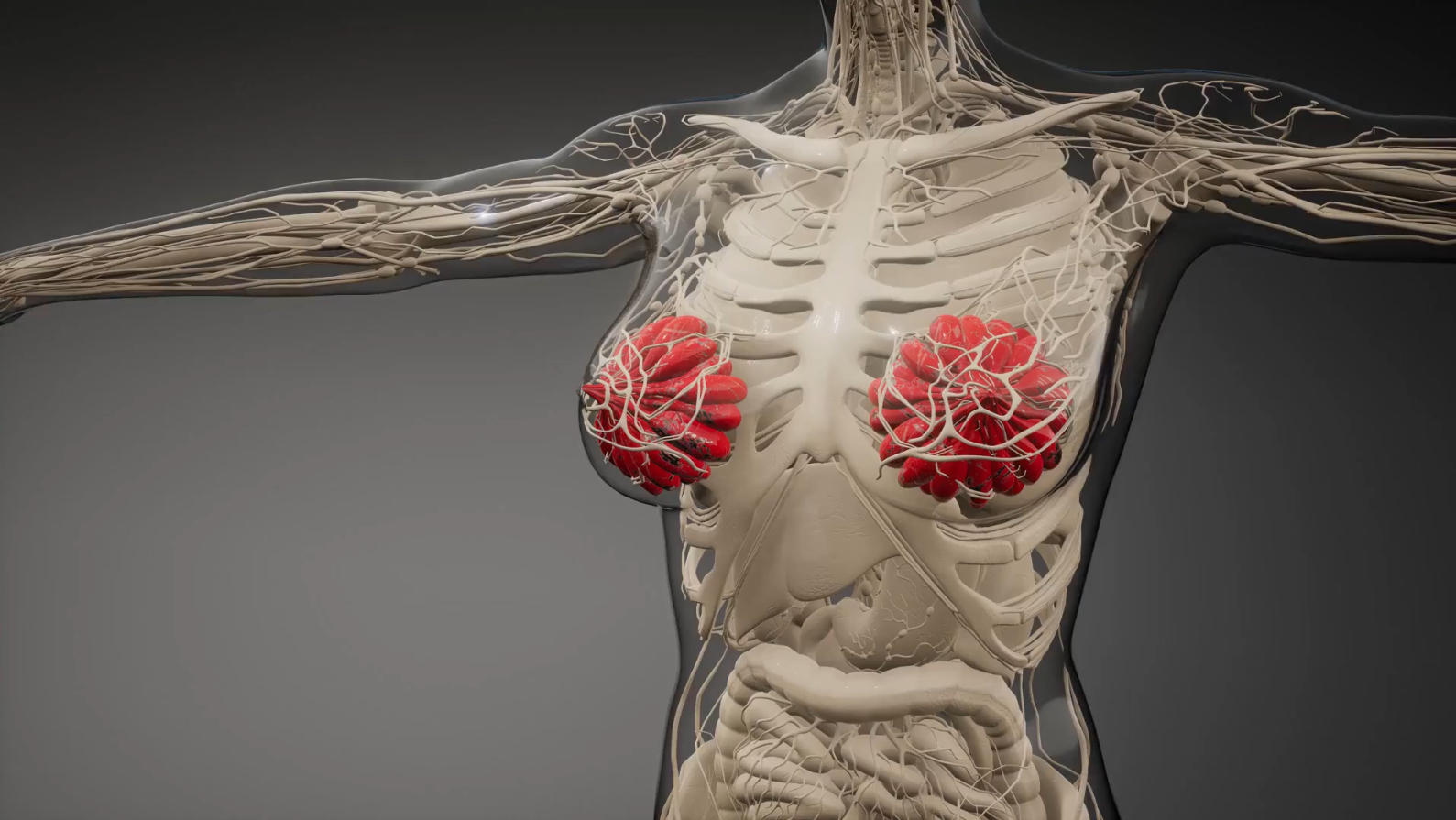
Our orthotopic breast cancer model provides a clinically relevant platform for studying primary tumor growth, metastatic spread, and therapeutic response.

Explore model →

Glioblastoma
Our orthotopic glioblastoma (GBM) model provides a clinically relevant platform for evaluating tumor growth, invasion, and therapeutic response.
Explore model →

Lung cancer
Our orthotopic lung cancer model provides a clinically relevant platform for studying tumor growth, metastatic spread, and therapeutic response.

Explore model →

Ovarian cancer
Ovarian cancer models include orthotopic and disseminated systems reflecting primary tumor growth and peritoneal metastasis.

Explore model →

Leukemia
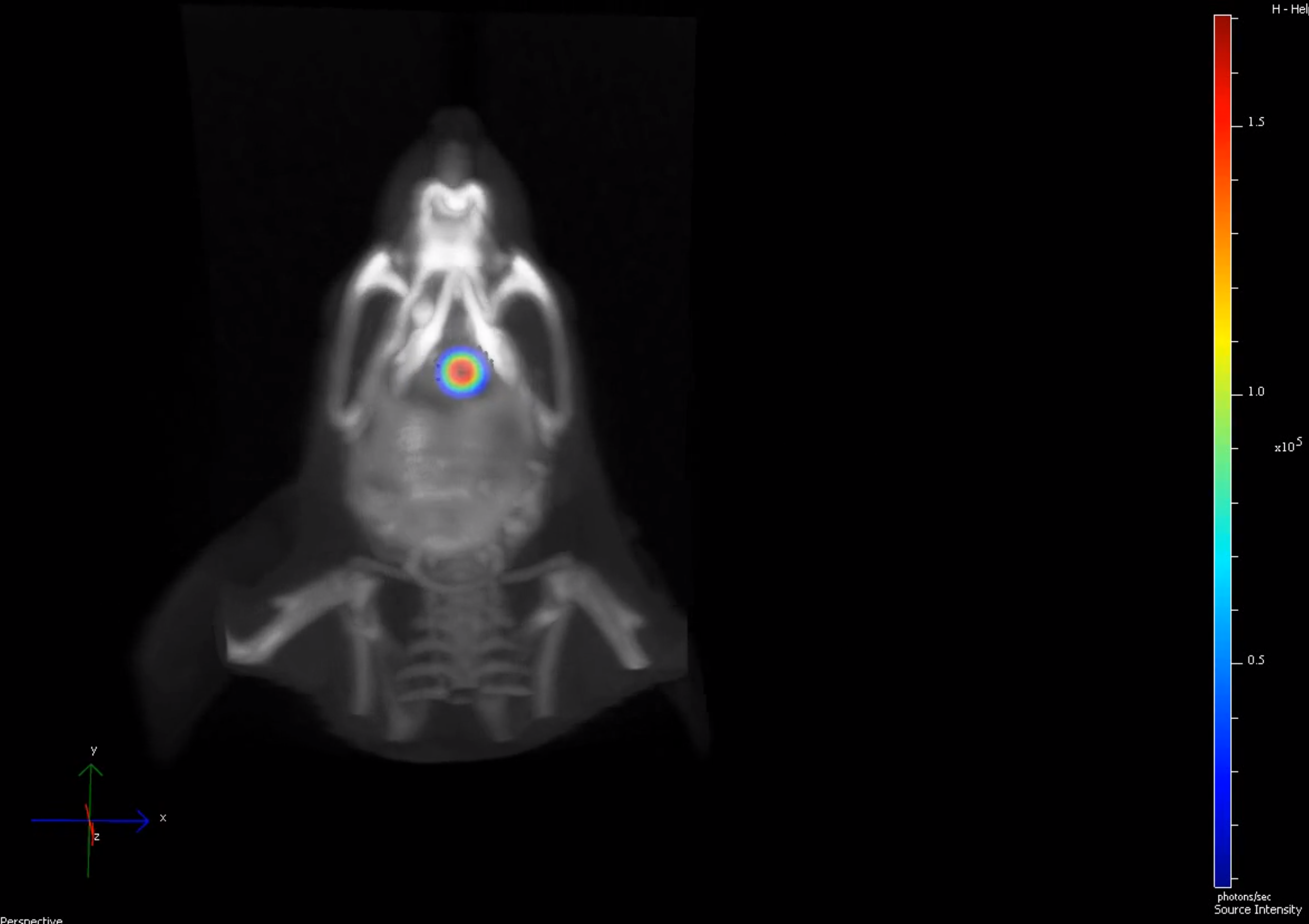
Leukemia models recapitulate systemic disease and bone marrow interactions, enabling sensitive tracking of progression and treatment response.
Explore model →

Renal cell carcinoma
Renal cell carcinoma models reflect the vascularized and metastatic nature of kidney tumors.

Explore model →

Colorectal cancer
Colorectal cancer models replicate tumor growth in the colon and spread to distant organs such as the liver and lungs.
Explore model →
Let us to contribute
to your growth
Do you want to learn more about our work and how we can help you?